The Tax Side of Buying a Home in Bangalore: 80C, GST and Stamp Duty

The tax benefits of buying a home in Bangalore 2026 — Section 80C, Section 24(b), GST and stamp duty explained simply, with the caveats. Read before you buy
Tax rarely decides a home purchase, but it shapes the real cost more than buyers expect. Understanding the tax benefits buying home Bangalore 2026 Section 80C and the related rules cover lets you plan the true outflow rather than just the sticker price. We have set out the deductions, the taxes you pay, and the net picture, in plain terms. A clear caveat first: this is general information, not tax advice, the figures and limits change with each Budget, and you should confirm your own position with a chartered accountant. For the charges themselves, our cost sheet carries the detail.
Why Tax Belongs in the Maths
A home’s cost has two sides the brochure rarely shows together — the taxes that add to it and the deductions that offset it. Folding both into your plan from the start gives a truer figure than the headline price, and on a high-value purchase the sums involved are far from trivial. The reliefs reward buyers who finance with a home loan and who plan the timing of their costs, which is why the tax side is worth understanding before you sign rather than at filing time.
Section 80C: The Principal
The first relief sits on what you repay. Under Section 80C, the principal portion of your home-loan repayment qualifies for a deduction within the overall annual limit of Rs 1.5 lakh, a cap shared with other 80C investments such as provident fund and life insurance. Helpfully, the stamp duty and registration you pay can also be claimed under Section 80C, within that same limit, in the year you pay them. Because the cap is shared and modest relative to a luxury purchase, most buyers use it up quickly, but it is a genuine, if capped, saving.
Section 24(b): The Interest
The larger relief sits on the interest. The home loan tax deduction Karnataka buyers ask about most is Section 24(b), under which interest paid on a home loan for a self-occupied property is deductible up to Rs 2 lakh a year. For a let property, the rules differ and the treatment of interest follows the income-from-house-property provisions. On a substantial loan in the early years, when interest dominates the EMI, this deduction is the most valuable of the lot, and it is the main reason financing a purchase can be more tax-efficient than paying entirely upfront.
GST on the Purchase
One tax applies only while a home is under construction. The GST on pre launch apartments Bangalore carry is charged at 5 percent on under-construction residential property, without input tax credit, under the prevailing rate for non-affordable housing. Once a project receives its completion or occupancy certificate, a ready home is outside GST, so the timing of your purchase within the construction cycle affects whether GST applies. For a pre-launch or under-construction home, budget the 5 percent in from the outset rather than treating it as an afterthought.
Stamp Duty and Registration
These are the unavoidable transaction taxes. The stamp duty charges Karnataka home purchase 2026 buyers face, together with registration, come to roughly 7.65 percent of the value in the state, payable at registration to record the transfer legally in your name. They are a real, upfront cost on a high-value home and, as noted, the stamp duty and registration are themselves claimable under Section 80C within the overall limit. Build this figure into your acquisition budget alongside the base price and GST, since it is one of the larger line items beyond the headline.
How to Plan the Tax Side
A little planning turns these rules into real savings. Making the most of the tax benefits buying home Bangalore 2026 Section 80C and the related provisions allow starts with keeping clean records — the loan statements that split principal from interest, and the stamp-duty and registration receipts you will claim — so nothing is missed at filing time. Time your claims sensibly: stamp duty and registration are deductible under Section 80C in the year you pay them, within the shared limit, so it helps to know where that leaves your other 80C investments for the year. Be aware, too, that the tax regime you choose affects which deductions you can take, since the position differs between the old and new regimes, and the choice can change the value of these reliefs materially. Because the limits and rules shift with each Budget and depend on your wider finances, the single most useful step is to run your actual numbers with a chartered accountant before you commit rather than after. Treat the reliefs as a welcome reduction in cost, plan for them deliberately, and confirm the detail with a professional — none of the above is tax advice.
The Net Picture
Put together, the tax side both adds to and offsets the cost. You pay 5 percent GST on an under-construction home and roughly 7.65 percent in stamp duty and registration, while you can offset principal and stamp duty under Section 80C within Rs 1.5 lakh, and interest under Section 24(b) up to Rs 2 lakh a year. For most luxury buyers the deductions are modest against the purchase but the transaction taxes are significant, so the honest planning point is to budget the taxes fully and treat the reliefs as a welcome reduction rather than a major saving. None of this is tax advice — confirm your position with a chartered accountant, and our advisory team can connect you with the right help.
Related reading: Is a Pet-Friendly Gated Community Worth the Premium?.
FAQs
What tax benefits apply when buying a home in Bangalore? Principal repayment and stamp duty under Section 80C within Rs 1.5 lakh, and home-loan interest under Section 24(b) up to Rs 2 lakh a year for a self-occupied home. Limits change with each Budget.
How much is stamp duty and registration in Karnataka? Roughly 7.65 percent of the value combined, payable at registration. This is also claimable under Section 80C within the overall limit.
Is GST payable on the purchase? Yes, at 5 percent on under-construction residential property without input tax credit. A ready home that has received its completion certificate is outside GST.
Which deduction is the most valuable? Usually the Section 24(b) interest deduction of up to Rs 2 lakh a year, since interest dominates the EMI in a loan’s early years.
Can I claim stamp duty separately from the loan principal? Stamp duty and registration are claimed under Section 80C, but within the same overall Rs 1.5 lakh limit shared with the principal and other 80C items.
Is this tax advice? No. It is general information, the rules and limits change with each Budget, and you should confirm your own position with a chartered accountant.
Continue Reading
For the full set of charges, read our cost sheet, and for how the amount is staged and financed, our payment plan guide. NRI buyers should also read our NRI guide for the cross-border tax angle.
For current pricing, see the Price page. To be connected with tax help, contact our advisory team. This article is general information, not tax advice.
Related Articles

Lodha Sadahalli Reviews: How to Judge a Pre-Launch Project
Lodha Sadahalli reviews and expert opinions in 2026 — what you can assess at the pre-launch stage, how to read early feedback, and how to form an honest view.

Lodha Sadahalli Launch and EOI: How Booking Works
The Lodha Sadahalli EOI and launch date for 2026 — where the project is in its cycle, how the EOI works, the booking process, and what to confirm. Read on
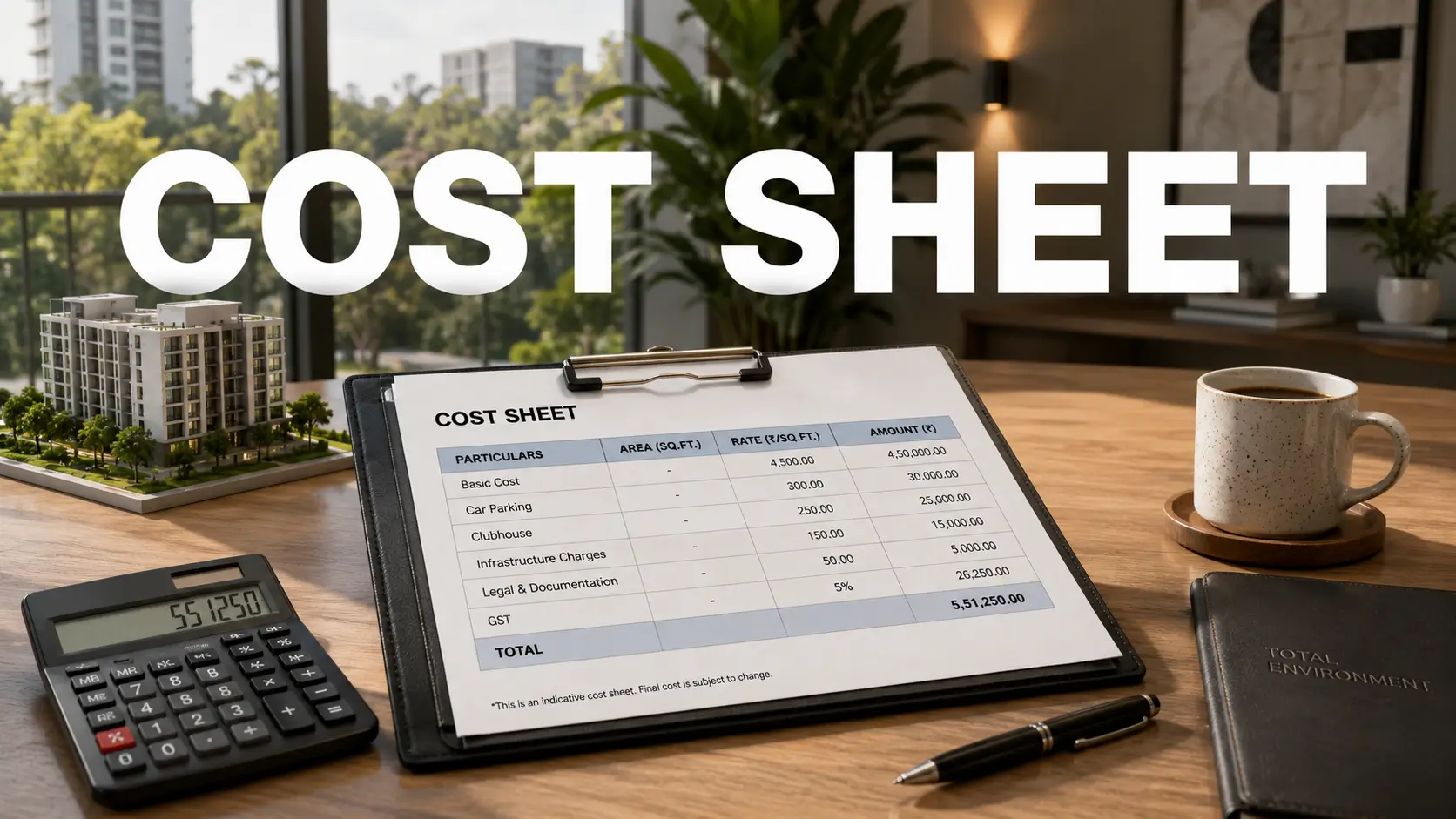
Lodha Sadahalli Cost Sheet: Full Pricing by Configuration
The Lodha Sadahalli cost sheet for 2026 — a detailed breakdown of prices by configuration, the per-sft rate, and the charges beyond the base price. Read on

Lodha Sadahalli RERA Status: Where the Approvals Stand
The Lodha Sadahalli RERA approval status and timeline — where registration stands, what it confirms, the planning position, and what to check before booking.