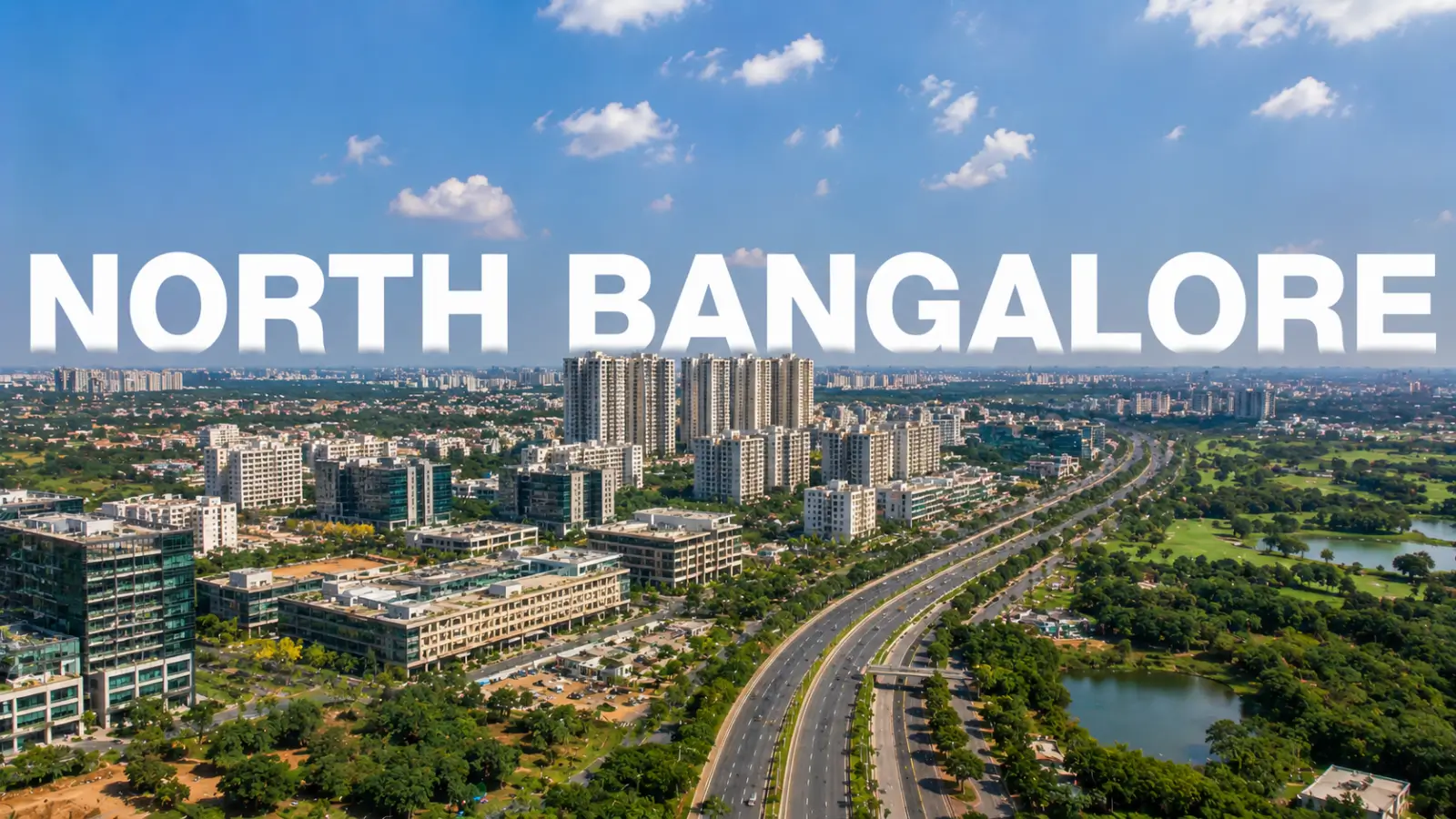
What the Smart City Mission means for North Bangalore property values — digital infrastructure, smart governance, and how better urban systems support prices.
How well a city is run shapes how desirable, and how valuable, its neighbourhoods become. The smart city mission Bangalore impact North Bangalore property values question is really about whether better digital infrastructure and smarter governance translate into stronger, more liveable areas. We have set out what the Smart City idea involves, how it can affect daily life and property, and what it means for the northern corridor — while being clear that such programmes evolve and their specifics should be checked officially. The link between good urban systems and property value is real, if gradual, and worth understanding.
What the Smart City Mission Is
The idea is broader than its name suggests. India’s Smart Cities Mission is a national programme aimed at making cities more liveable and efficient through technology and better planning — improving services, infrastructure, and governance with digital tools and data. In practice it spans areas such as transport, utilities, public services, and urban management, with the goal of cities that work better for the people who live in them. The specific projects and their progress vary by city and over time, so the current detail for Bangalore is best confirmed from official sources rather than assumed, but the underlying direction is towards smarter, better-run urban areas.
Digital Infrastructure and Daily Life
Digital infrastructure shapes the texture of everyday living. The smart city digital infrastructure residential projects benefit from includes better connectivity, smarter utilities, and digitally enabled services that make a neighbourhood more convenient and efficient to live in. Reliable high-speed connectivity in particular has become a near-essential part of a modern home, especially for the technology professionals who populate Bangalore. As areas gain stronger digital infrastructure, they become more attractive to residents and better suited to contemporary working and living patterns, which supports their desirability over time. It is an increasingly important, if often invisible, layer of what makes a location appealing.
Smart Governance and Services
How a place is administered matters as much as how it is built. The smart governance initiatives Bangalore real estate can benefit from cover digitally enabled public services, more efficient civic administration, and data-driven urban management — the things that make daily interactions with a city smoother and more predictable. Better governance improves the experience of living somewhere, from utilities and permissions to public services, and well-run areas tend to be more desirable and to hold value better than poorly managed ones. While the pace and reach of such initiatives vary, the direction towards more efficient, technology-enabled governance is a positive for the liveability of the areas it touches.
How Better Urban Systems Lift Value
The connection to property is indirect but genuine. Liveability drives demand, and demand drives value, so improvements that make an area more convenient, efficient, and pleasant to live in tend, over time, to support its property prices. Better infrastructure, services, and governance raise the quality of life in a location, which makes it more sought-after by buyers and tenants. This effect is gradual rather than sudden, working through the steady strengthening of an area’s appeal rather than an overnight jump. For a buyer, areas benefiting from such improvements offer a quietly strengthening foundation, layered on top of the more visible drivers like jobs and connectivity.
Technology-Driven Growth in the North
The northern corridor is well aligned with this direction. The technology driven property value growth North Bangalore has experienced rests on the same forces — a technology-oriented economy, strong digital connectivity, and an area developing with modern infrastructure from a relatively clean slate. Newer growth corridors can sometimes adopt contemporary digital infrastructure more readily than older, built-up districts, which suits the kind of residents the north attracts. Our growth corridor piece sets out the wider trajectory. The corridor’s technology-led character makes it a natural beneficiary of the broader push towards smarter, better-connected urban living.
What This Means for Sadahalli
For a Sadahalli buyer, the Smart City direction is a supportive backdrop rather than a headline reason to buy. The smart city mission Bangalore impact North Bangalore property values may have works alongside the area’s stronger, more concrete drivers — the airport, employment, and connectivity — to reinforce its liveability and long-term appeal. A well-connected, technology-oriented corridor is positioned to benefit from improvements in digital infrastructure and governance as they arrive. The sensible view is to treat this as one of several positive currents supporting the area, while basing a decision on the tangible fundamentals. Our tech industry piece covers the strongest of those, and our advisory team can discuss them.
The Measured View
A grounded perspective serves a buyer best. Smart City and digital-governance initiatives are genuinely positive for liveability, but they unfold gradually, vary in their reach, and rarely move property prices on their own. The honest reading is that they strengthen an area’s appeal over time as one contributing factor, rather than acting as a decisive driver in themselves. A buyer should welcome them as supportive context while anchoring a decision in the area’s concrete fundamentals — connectivity, employment, the developer, and the project itself. Viewed this way, the broader push towards smarter cities is a reassuring tailwind for a well-chosen home in a strong corridor.
Related reading: Lodha Sadahalli and Graviti Hanging Gardens.
FAQs
What is the Smart Cities Mission? A national programme to make cities more liveable and efficient through technology and better planning, spanning transport, utilities, public services, and urban management. Specific projects vary by city and over time.
How does it affect property values? Indirectly but genuinely — by improving liveability through better infrastructure, services, and governance, which strengthens an area’s appeal and, over time, tends to support its property prices.
Why does digital infrastructure matter for homes? Reliable connectivity and smart utilities have become near-essential to modern living, especially for technology professionals, making areas with stronger digital infrastructure more attractive over time.
Why is North Bangalore well placed? Its technology-oriented economy, strong connectivity, and development with modern infrastructure from a relatively clean slate align it well with the push towards smarter, better-connected living.
Will Smart City initiatives raise prices quickly? No. They unfold gradually and vary in reach, and rarely move prices on their own — best treated as a supportive factor alongside concrete drivers like jobs and connectivity.
Where can I check Bangalore’s Smart City projects? Specific projects and progress vary and change over time, so the current detail is best confirmed from official sources rather than assumed.
Continue Reading
For the policy backdrop, read our Karnataka real estate policy piece, and for the economic engine, our tech industry guide. On the corridor’s trajectory, see our growth corridor piece.
For the full project picture, visit the home page. To discuss the area’s fundamentals, contact our advisory team.
Related Articles

Lodha Sadahalli Reviews: How to Judge a Pre-Launch Project
Lodha Sadahalli reviews and expert opinions in 2026 — what you can assess at the pre-launch stage, how to read early feedback, and how to form an honest view.

Lodha Sadahalli Launch and EOI: How Booking Works
The Lodha Sadahalli EOI and launch date for 2026 — where the project is in its cycle, how the EOI works, the booking process, and what to confirm. Read on

Lodha Sadahalli Cost Sheet: Full Pricing by Configuration
The Lodha Sadahalli cost sheet for 2026 — a detailed breakdown of prices by configuration, the per-sft rate, and the charges beyond the base price. Read on

Lodha Sadahalli RERA Status: Where the Approvals Stand
The Lodha Sadahalli RERA approval status and timeline — where registration stands, what it confirms, the planning position, and what to check before booking.