An NRI’s Guide to Lodha Sadahalli: Tax, Process and Repatriation

An NRI investment guide to Lodha Sadahalli — the legal and tax process, FEMA rules, funding, repatriation and financing, explained simply. Read before you.
For non-resident Indians, buying a home back in India is as much a paperwork exercise as a property decision. This NRI investment guide Lodha Sadahalli legal tax process buyers ask for walks through what the law allows, how the purchase works in Karnataka, and how money moves in and out — in plain terms. One point up front: this is general information, not legal or tax advice, and the rules under FEMA and the tax code change, so treat what follows as orientation and confirm the specifics with a qualified adviser. For the pricing your plan starts from, our cost sheet and payment plan guides set it out.
Can NRIs Buy Here?
The short answer is yes, with clear limits. Under the FEMA rules NRI apartment buying India is governed by, non-resident Indians and persons of Indian origin may freely purchase residential and commercial property; what they may not buy is agricultural land, plantation property, or a farmhouse. A luxury apartment at a project like this falls squarely within what is permitted, so eligibility is rarely the obstacle. The detail that matters more is how the purchase is funded and documented, which is where careful handling pays off.
The Purchase Process in Karnataka
The mechanics mirror a resident purchase, with a few additions. The NRI property purchase process Karnataka follows runs from due diligence on title and approvals, through the agreement to sell, to registration and stamp duty — the same stamp duty and registration of roughly 7.65 percent that residents pay. Many NRI buyers appoint a trusted family member or professional under a Power of Attorney to sign and register on their behalf when they cannot travel, which keeps the process moving across time zones. A clear PoA, properly drafted and attested, is one of the most useful documents an overseas buyer can prepare early.
Funding and Repatriation
This is the part that most rewards getting right. Payment must move through normal banking channels — from an NRE, NRO, or FCNR account, or by inward remittance — rather than in foreign currency notes. On the way out, sale proceeds can generally be repatriated, subject to conditions and limits, with repatriation of the principal commonly allowed for up to two residential properties where the purchase was funded in foreign exchange. Rental income held in an NRO account is also repatriable within the prescribed limits. Because the conditions are specific and depend on how the purchase was funded, this is exactly the area to confirm with your bank and adviser before you commit.
The Tax Angle
Tax is where good planning protects the return. The tax benefits for NRI home buyers Bangalore can access broadly mirror those for residents — a deduction on home-loan interest under Section 24(b) and on principal under Section 80C, within the usual limits — while rental income earned in India is taxable in India. A Double Taxation Avoidance Agreement between India and your country of residence may prevent the same income being taxed twice, and TDS rules apply both when you buy and when you eventually sell. The figures and reliefs change with each Budget, so treat this as a sketch and have a chartered accountant run your actual position.
Financing the Purchase
Borrowing is open to NRIs through Indian lenders. The same panel that serves resident buyers — including HDFC, SBI, ICICI, Axis, LIC Housing Finance, and Standard Chartered — extends home loans to non-residents, typically funding a large share of the value and repaid through your NRE or NRO account or by remittance. Loan eligibility, documentation, and tenure differ a little from the resident process, and currency movements affect the real cost of an India loan serviced from abroad, so weigh that alongside the headline rate. Our payment plan guide covers how the amount is staged.
A Note on Currency and Timing for NRIs
A few practical points sit on top of this NRI investment guide Lodha Sadahalli legal tax process buyers work through. Currency movement matters: a loan taken in rupees but serviced from abroad, and returns eventually converted back, both depend on the exchange rate at the time, so the real cost and the real gain can differ from the headline figures. Plan remittances with that in mind, and keep clean records of every inward transfer, since they underpin your right to repatriate later. Where a Double Taxation Avoidance Agreement applies, the paperwork to claim relief is worth getting right from the first year rather than untangling at filing time. And give yourself runway on documentation — a Power of Attorney, banking, and diligence all take longer across time zones than they would for a resident buyer. Engaging a chartered accountant familiar with non-resident matters before you sign, rather than after, tends to save the most friction of all.
Practical Steps for an Overseas Buyer
A little sequencing makes the whole thing smoother. Line up your NRE or NRO banking, prepare a Power of Attorney if you cannot travel, complete title and approval diligence as any buyer should, and engage a chartered accountant familiar with NRI matters before you sign rather than after. Pre-launch entry can suit overseas buyers well, since the booking window is handled remotely and the pre-launch pricing advantage rewards early commitment, but only once the paperwork is in order. Our advisory team routinely supports NRI buyers through each step.
Related reading: How Lodha Approaches RERA Compliance and Legal Transparency.
FAQs
Can an NRI buy an apartment at Lodha Sadahalli? Yes. Under FEMA, NRIs and persons of Indian origin may buy residential and commercial property in India; only agricultural land, plantations, and farmhouses are off-limits.
How should the purchase be funded? Through normal banking channels — an NRE, NRO, or FCNR account, or inward remittance — not in foreign currency notes.
Can I repatriate the money later? Sale proceeds are generally repatriable subject to conditions and limits, commonly for up to two residential properties funded in foreign exchange. Confirm the specifics with your bank and adviser.
What tax benefits apply? Broadly the same as for residents — interest under Section 24(b) and principal under Section 80C — while Indian rental income is taxable in India, with a DTAA potentially preventing double taxation.
Can NRIs get a home loan in India? Yes. Lenders including HDFC, SBI, ICICI, Axis, LIC Housing Finance, and Standard Chartered offer NRI home loans, repaid through NRE or NRO accounts or by remittance.
Do I need to be in India to buy? Not necessarily. Many NRI buyers appoint a Power of Attorney to sign and register on their behalf, allowing the purchase to proceed remotely.
Continue Reading
For the income a let property can earn, read our rental yield piece, and for how payments are staged, our payment plan guide. Overseas buyers should also read the pre-launch pricing advantage.
For current pricing, see the Price page. For step-by-step NRI support, contact our advisory team. This article is general information, not legal or tax advice.
Related Articles

Lodha Sadahalli Reviews: How to Judge a Pre-Launch Project
Lodha Sadahalli reviews and expert opinions in 2026 — what you can assess at the pre-launch stage, how to read early feedback, and how to form an honest view.

Lodha Sadahalli Launch and EOI: How Booking Works
The Lodha Sadahalli EOI and launch date for 2026 — where the project is in its cycle, how the EOI works, the booking process, and what to confirm. Read on
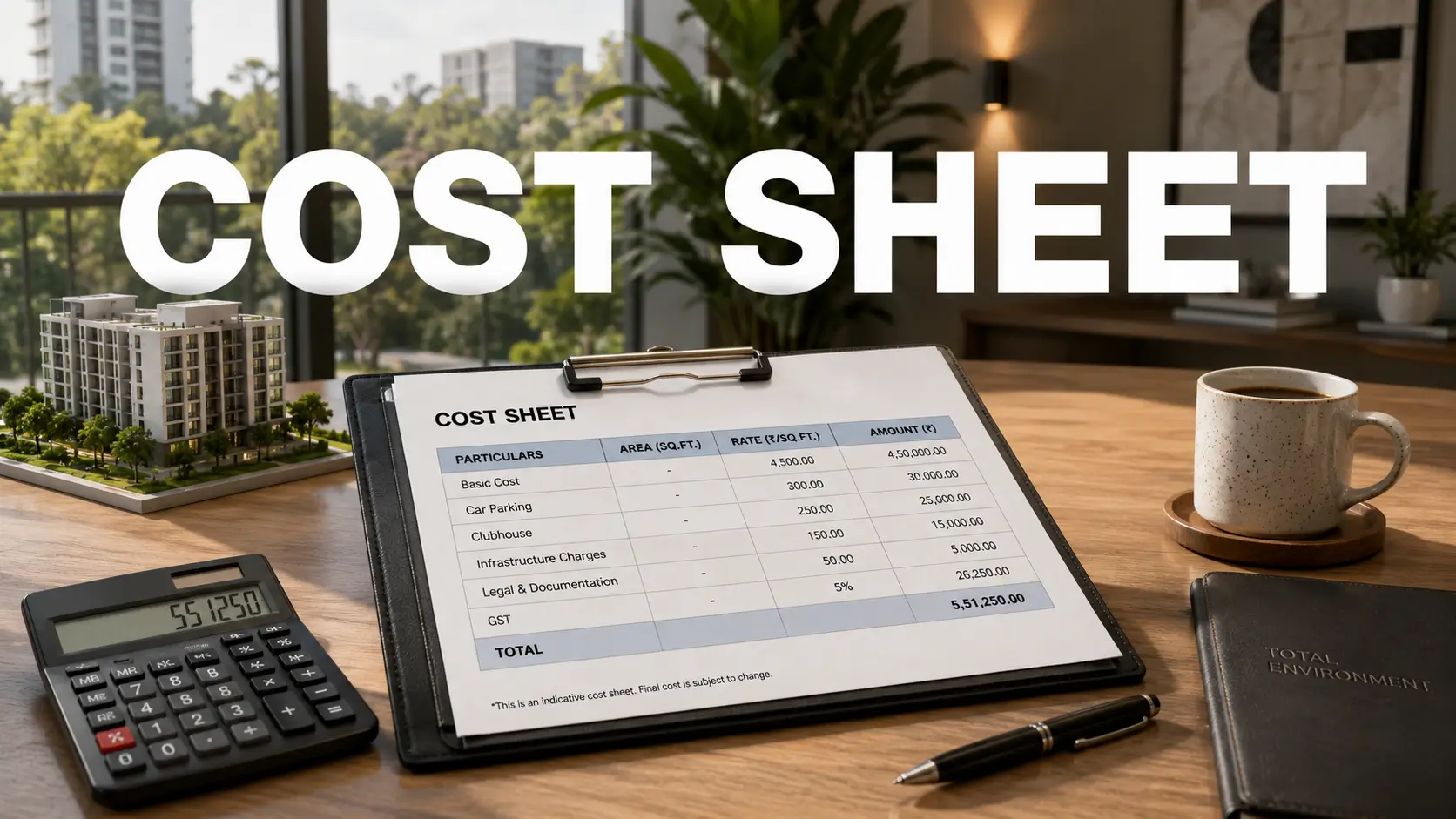
Lodha Sadahalli Cost Sheet: Full Pricing by Configuration
The Lodha Sadahalli cost sheet for 2026 — a detailed breakdown of prices by configuration, the per-sft rate, and the charges beyond the base price. Read on

Lodha Sadahalli RERA Status: Where the Approvals Stand
The Lodha Sadahalli RERA approval status and timeline — where registration stands, what it confirms, the planning position, and what to check before booking.