
Lodha's upcoming projects and expansion in Bangalore for 2026 — the move into South India, the strategy behind it, and how to track the pipeline. Read more
A developer’s direction of travel tells you something about the markets it backs. Buyers tracking Lodha upcoming new projects Bangalore 2026 expansion are really asking a useful question — what does it mean that a Mumbai-rooted developer is committing to Bangalore, and to North Bangalore in particular. We have set out the logic of that move, where the Sadahalli project sits within it, and, just as importantly, how to track the actual pipeline through official sources rather than rumour. Specific launches change quickly, so this is the strategic picture, not a list of unconfirmed projects.
Lodha’s Move South
For most of its history Lodha was defined by Mumbai and Pune, so a serious push into Bangalore marks a deliberate widening of its map. Expanding into a new city is a significant commitment for any developer — it means land, local teams, and reputation staked on a market with its own dynamics and its own demanding buyers. That a developer of Lodha’s scale has chosen to enter Bangalore says it sees durable opportunity there, and the move places its established standards and capabilities into the southern market for the first time at scale.
Why Bangalore
The choice follows the fundamentals. Bangalore is among India’s strongest property markets, powered by a deep technology economy, sustained in-migration of skilled professionals, and steady demand for quality housing across price segments. For a developer building a national footprint, a market with that depth and resilience is a natural priority. The city’s appetite for premium, well-built homes — and the relative scarcity of large, design-led luxury developments — is exactly the gap a developer with Lodha’s positioning is suited to fill.
Why North Bangalore Specifically
Within the city, the northern corridor stands out. North Bangalore has been reshaped by the airport and the infrastructure that followed — the metro, the expressway, and a growing base of employment around Devanahalli — turning a once-peripheral belt into one of the city’s most active growth axes. For a developer entering at scale, an area with land of meaningful size, strong connectivity, and a long runway for appreciation is more attractive than a built-out central district. The Lodha expansion strategy Karnataka market reflects that reading, favouring a corridor with room to build something substantial.
Sadahalli as Part of the Expansion
The Sadahalli project is best understood as a flagship of this move. A large garden-estate development on the airport belt is the kind of statement a developer makes when it intends to establish itself in a market, not merely test it — the scale and ambition signal commitment. For a buyer, that matters: a developer building a landmark project in a region has strong reasons to deliver it well, since its wider reputation in a new market rides on the result. The project is both an opportunity in its own right and an anchor for the developer’s presence in the city.
What This Means for Early Buyers
A developer investing behind a region changes the calculus for those buying early. When a builder of national standing commits capital and reputation to a corridor, it tends to bring confidence, supporting infrastructure attention, and a reason to maintain standards that benefits the first wave of residents. None of this removes the normal diligence a pre-launch buyer should do, but a developer with skin in the region — and a record to protect — is a more reassuring counterpart than one passing through. The Lodha Bangalore residential portfolio plans, as they develop, are worth following for exactly this reason.
What a Regional Commitment Signals
A developer’s expansion tells a buyer something worth weighing. When a national builder commits to a new market, it stakes capital and reputation on getting that market right, and the Lodha upcoming new projects Bangalore 2026 expansion points to should be read in that light — as a sign of conviction about the region rather than a one-off bet. That conviction tends to work in an early buyer’s favour, because a developer establishing itself in a city has every reason to deliver its flagship well and to maintain standards that build its name locally. There is a caution to balance against it, though. Expansion into a new market also means a developer is building local teams, supply chains, and delivery experience for the first time, so a buyer should confirm that the project in front of them has the approvals, the specifications, and the contractual protections in place regardless of the parent’s pedigree elsewhere. The reassuring reading and the prudent one are not in conflict: a serious regional commitment is a genuine positive, and your own diligence on the specific project is what turns that positive into a safe decision. Watch the official channels for what is actually confirmed, and weigh announcements against filings rather than headlines.
How to Track the Pipeline
Here a clear caveat belongs. Specific launches, names, and timelines shift, and the only reliable source is the developer’s own official channels and regulatory filings, not third-party speculation. To follow the Lodha new launches South India pipeline accurately, watch Macrotech’s investor disclosures and official announcements, and verify any project’s status on the relevant RERA portal once registered. Treat anything you read elsewhere as unconfirmed until you can check it at source. Our track record piece gives the backdrop, and our advisory team can share what is officially confirmed.
Related reading: How Infrastructure Is Reshaping North Bangalore in 2026.
FAQs
Is Lodha expanding in Bangalore? Lodha, historically rooted in Mumbai and Pune, has been committing to Bangalore as a key southern market. For specific confirmed projects, rely on the developer’s official channels and filings.
Why is Lodha entering the Bangalore market? Bangalore is one of India’s strongest property markets, driven by its technology economy, in-migration, and steady demand for quality housing, with relative scarcity of large design-led luxury developments.
Why North Bangalore in particular? The airport, metro, expressway, and growing employment have made the northern corridor one of the city’s most active growth axes, with land of meaningful size and a long runway for appreciation.
How does the Sadahalli project fit in? It reads as a flagship of Lodha’s Bangalore move — a large garden-estate development that signals commitment to establishing a lasting presence in the city.
Where can I find Lodha’s confirmed upcoming projects? Through Macrotech’s investor disclosures and official announcements, with each project’s status verifiable on the relevant RERA portal once registered. Treat other sources as unconfirmed.
Does a developer’s regional commitment help early buyers? It tends to bring confidence and a reason to maintain standards, since the developer’s reputation in a new market depends on delivering well — though normal pre-launch diligence still applies.
Continue Reading
For the developer’s record, read our track record piece, and for the booking stage of the Sadahalli project, our EOI and launch guide. For how Lodha plans its communities, see our township philosophy piece.
For the full project picture, visit the home page. For officially confirmed details, contact our advisory team.
Related Articles

Lodha Sadahalli Reviews: How to Judge a Pre-Launch Project
Lodha Sadahalli reviews and expert opinions in 2026 — what you can assess at the pre-launch stage, how to read early feedback, and how to form an honest view.

Lodha Sadahalli Launch and EOI: How Booking Works
The Lodha Sadahalli EOI and launch date for 2026 — where the project is in its cycle, how the EOI works, the booking process, and what to confirm. Read on
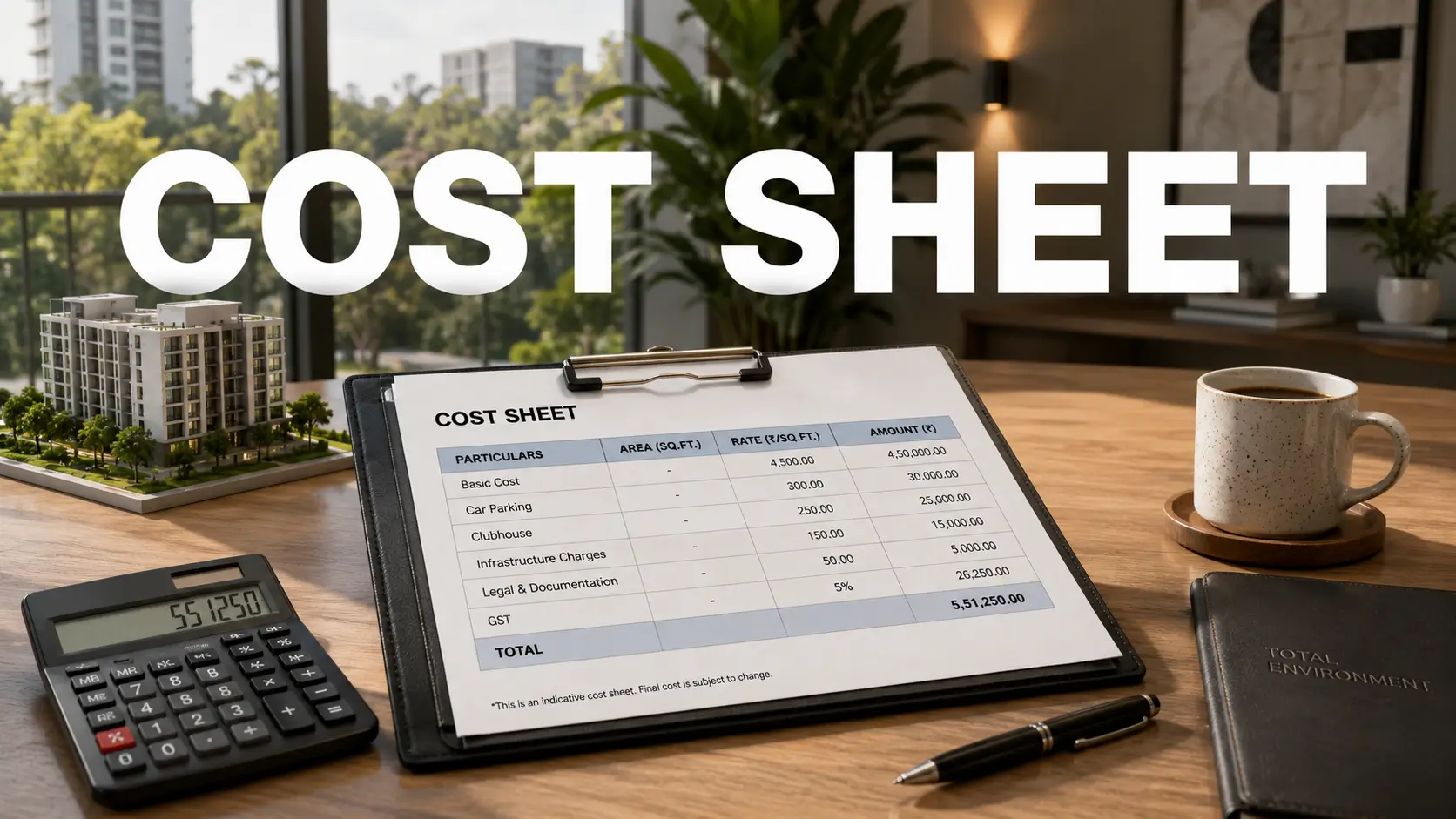
Lodha Sadahalli Cost Sheet: Full Pricing by Configuration
The Lodha Sadahalli cost sheet for 2026 — a detailed breakdown of prices by configuration, the per-sft rate, and the charges beyond the base price. Read on

Lodha Sadahalli RERA Status: Where the Approvals Stand
The Lodha Sadahalli RERA approval status and timeline — where registration stands, what it confirms, the planning position, and what to check before booking.