
Lodha's township development philosophy and master-planned communities — designing around open space, integration and scale, and how it shapes the Sadahalli.
A township is not simply a cluster of towers; it is a way of organising how people live. The Lodha township development philosophy master planned communities reflect is what turns acres of land into a place with a sense of order, space, and community. We have set out the principles behind that approach — how open space, integration, and scale come together — and how they shape the garden estate at Sadahalli. Understanding the philosophy helps a buyer see past the show flat to the kind of daily life a project is designed to create.
What a Township Philosophy Actually Means
The idea sounds abstract until you see what it changes. A developer’s township philosophy is the set of beliefs about how a community should be arranged — how much land to leave open, how to place homes for privacy and light, what amenities to provide, and how the parts relate to the whole. It is the difference between land that has merely been filled with buildings and land that has been thoughtfully composed. The philosophy decides the experience of living somewhere far more than any single feature, because it governs the relationships between everything on the site.
Designing Around Open Space
The clearest expression of the philosophy is what is left unbuilt. A defining principle here is generosity with open space — the Sadahalli estate is planned with roughly 85 percent of its 70 acres kept open as greenery, gardens, and shared landscape. That choice shapes everything: lower density, longer sightlines, more light and air, and room for the trees, walks, and gathering places that make a community pleasant. Open space is expensive to leave open, which is precisely why it signals a philosophy that values the living environment over squeezing in the maximum number of units.
Master-Planned, Not Just Built
Scale, handled well, allows coherence. The Lodha large scale township planning approach treats a large parcel as a single composition — placing residences, clubhouses, gardens, and routes in deliberate relation to one another rather than piecemeal. Planning at this scale lets a developer create generous central amenities, organise movement sensibly, and protect the green and quiet that smaller, denser sites cannot. The advantage of a master plan is that the whole is designed at once, so the pieces work together; the risk it avoids is the disjointed feel of land developed plot by plot without a guiding vision.
Integrated Living
The aim is a place that meets daily needs within its bounds. The way Lodha designs integrated townships India recognises is built on bringing living, leisure, greenery, and services together, so residents find much of what they need close to home. The Sadahalli estate gathers a central clubhouse, a Chairman’s Clubhouse, cluster clubhouses, sports and leisure facilities, a lakefront promenade, and gardens within the community, reducing the need to travel for everyday recreation and creating natural places for neighbours to meet. Integration of this kind is what gives a township the feel of a self-contained neighbourhood rather than a dormitory.
The Sadahalli Expression
At Sadahalli the philosophy takes a particular form. The 70-acre garden estate draws on a neo-classical design inspiration — referencing the grandeur of Balmoral Castle — and is shaped by the architect Hafeez Contractor, with landscaping that runs to seasonal flowering trees, a lakefront promenade, a kitchen garden, and a grand colonnaded entrance. These are not isolated flourishes but parts of a single composed environment, where architecture and landscape are planned together. The result is intended to feel like a considered estate rather than an assembly of blocks, which is the philosophy made tangible.
Design Principles That Recur
Across its communities, certain ideas repeat. The Lodha mixed use community design principles tend to favour generous open space, considered architecture, strong central amenities, attention to landscape, and a sense of arrival and place. Recognising these recurring principles helps a buyer judge whether a project is a genuine expression of a developed philosophy or a one-off marketing concept. Consistency across a developer’s portfolio is itself reassuring, because it suggests the approach is a settled way of working rather than a promise made only for the project in front of you.
How to See the Philosophy for Yourself
A philosophy is best judged by walking it, not reading it. To test whether the Lodha township development philosophy master planned communities are built on is genuine, study the master plan closely — the ratio of open space to built area, the placement of homes for light and privacy, the location and scale of amenities, and how movement is organised across the site. Then, where possible, visit a completed Lodha community and see whether those principles have produced the kind of environment they promise. The gap between a master plan on paper and a place in reality is where a developer’s philosophy is proven or exposed. A buyer who reads the plan with these questions in mind, and confirms them on the ground, can judge for themselves whether the design thinking is real and whether the daily life it produces is one they want to live in.
Why This Matters for Daily Life and Value
In the end, the philosophy is felt every day and reflected in value. A well-composed, low-density, integrated township is more pleasant to live in — quieter, greener, more sociable — and that quality tends to support demand and price over time, since buyers and tenants pay for environments that feel good to inhabit. For a Sadahalli buyer, the master plan is the best guide to the daily experience the home will offer. Our master plan explained piece walks through the layout, our low-density living guide the lifestyle, and our advisory team can talk you through both.
Related reading: How the Aerospace SEZ and Defence Corridor Lift Sadahalli.
FAQs
What is a township development philosophy? The set of beliefs guiding how a community is arranged — open space, the placement of homes, amenities, and how the parts relate — which shapes daily life more than any single feature.
How much open space does the Sadahalli estate have? It is planned with roughly 85 percent of its 70 acres kept open as greenery, gardens, and shared landscape, giving low density, light, air, and room for community life.
What does master-planned mean here? That the whole estate is designed at once, placing residences, clubhouses, gardens, and routes in deliberate relation, rather than developing the land plot by plot.
What amenities are integrated into the community? A central clubhouse, a Chairman’s Clubhouse, cluster clubhouses, sports and leisure facilities, a lakefront promenade, and gardens, reducing the need to travel for everyday recreation.
What design inspiration shapes the estate? A neo-classical inspiration referencing Balmoral Castle, shaped by architect Hafeez Contractor, with landscaped gardens, seasonal flowering trees, and a grand colonnaded entrance.
Why does the township philosophy matter for value? A well-composed, low-density, integrated township is more pleasant to live in, and that quality tends to support demand and price over time.
Continue Reading
For the layout in detail, read our master plan explained piece, and for the lifestyle it creates, our low-density living guide. For the developer’s wider record, see our track record piece.
For the master plan, visit the master plan page. To walk through the design, contact our advisory team.
Related Articles

Lodha Sadahalli Reviews: How to Judge a Pre-Launch Project
Lodha Sadahalli reviews and expert opinions in 2026 — what you can assess at the pre-launch stage, how to read early feedback, and how to form an honest view.

Lodha Sadahalli Launch and EOI: How Booking Works
The Lodha Sadahalli EOI and launch date for 2026 — where the project is in its cycle, how the EOI works, the booking process, and what to confirm. Read on
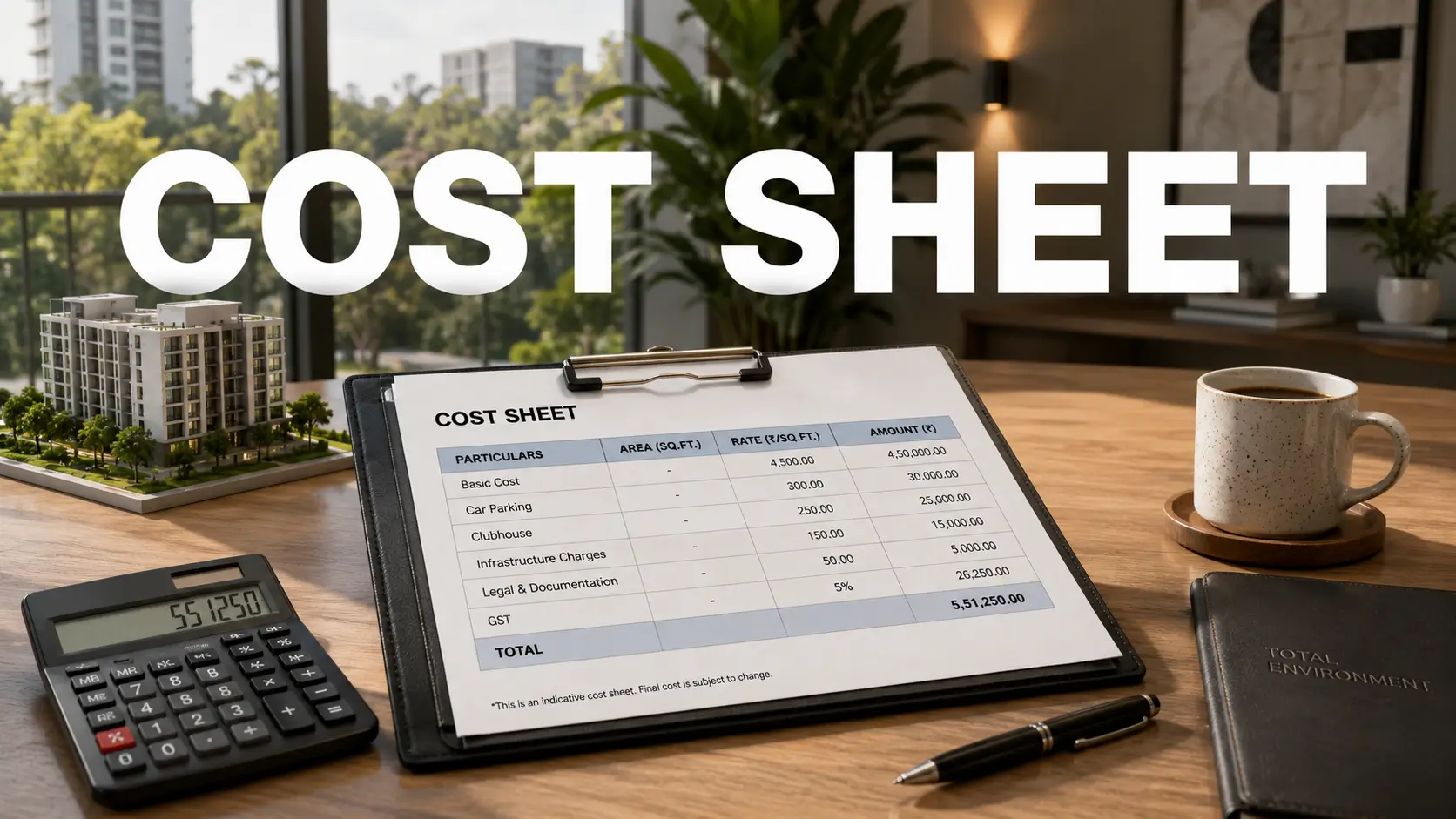
Lodha Sadahalli Cost Sheet: Full Pricing by Configuration
The Lodha Sadahalli cost sheet for 2026 — a detailed breakdown of prices by configuration, the per-sft rate, and the charges beyond the base price. Read on

Lodha Sadahalli RERA Status: Where the Approvals Stand
The Lodha Sadahalli RERA approval status and timeline — where registration stands, what it confirms, the planning position, and what to check before booking.