Lodha Sadahalli Master Plan: How the 70-Acre Estate Is Laid Out
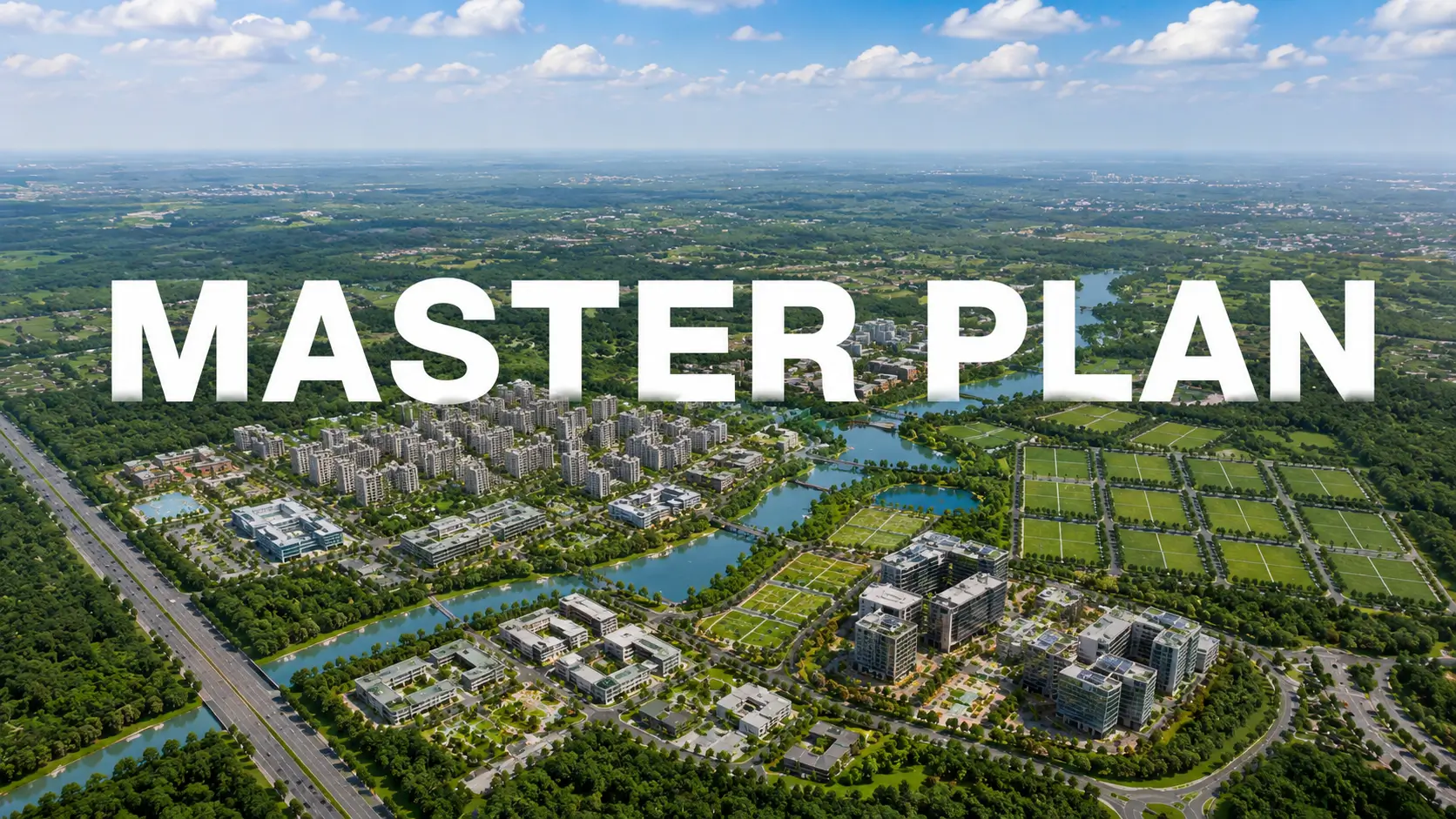
The Lodha Sadahalli master plan explained — how the 70-acre low-density garden estate is laid out, tower placement, open space, and how to read it. Read on
The master plan is where a project’s character is decided, long before a single home is finished. Understanding the Lodha Sadahalli master plan tower placement explained here means seeing how 70 acres are organised — how much is built, how much is left open, and how the buildings sit within the landscape. We have set out the headline layout, the low-density approach, the open space and amenities, and how to read the plan as a buyer, with a clear note that the precise figures are best confirmed from the official master plan. The layout is the foundation of how the estate will feel to live in.
Why the Master Plan Is Worth Studying
A master plan tells you what a brochure cannot. It shows how the land is used — the proportion built versus left open, the placement and spacing of buildings, the location of amenities, and the flow of roads and green spaces. These decisions determine how spacious, private, and pleasant the finished estate will be, which matters as much as the design of any single home. A buyer who studies the master plan understands the environment they are buying into, not just the apartment, which is why it deserves careful attention early in the evaluation of any project.
A 70-Acre Garden Estate
The headline figure sets the tone. Lodha Sadahalli is planned as a 70-acre garden estate in which roughly 85 percent of the land is kept open as greenery and shared landscape — an unusually generous proportion that places the buildings within the grounds rather than the grounds between the buildings. A development of this scale, with so much open space, has the character of a private estate rather than a typical apartment complex. This combination of substantial land and high open space is the defining feature of the master plan, and the foundation of the low-density living the project is built around.
Low-Density Tower Placement
How the buildings sit on the land is central to the plan. The 2 tower low density layout Sadahalli buyers ask about points to the project’s low-density approach, in which relatively few buildings are spread across the large site with generous spacing between them, rather than packed tightly to maximise units. This is what delivers the privacy, light, and open views that define low-density living. The exact number of towers and units is best confirmed from the official master plan, but the intent of the layout — generous land per home, buildings set well apart — is unmistakably low-density, which is the quality that matters most for daily life.
Open Space and Landscape
The open space is designed, not left over. The landscape is planned around seasonal flowering trees, gardens, a lakefront promenade, and a kitchen garden, with the amenities woven through the grounds — a substantial central clubhouse of around two acres, a Chairman’s Clubhouse, and cluster clubhouses distributed across the estate. Features such as grass tennis and an open-air theatre extend recreation into the landscape. This careful arrangement of greenery and amenity is what turns 70 acres of land into a living environment, and studying it on the master plan shows how the daily experience of the estate is intended to unfold.
How the Land Is Used
It is worth being precise about land use. The 70 acre mixed use development plan some buyers search for is, in this case, a predominantly residential garden estate, and any specific zoning or non-residential components are best confirmed from the official master plan rather than assumed. Similarly, questions about residential and commercial zones Lodha Sadahalli might include should be checked against the official plan, which is the authoritative source for exactly how the land is allocated. For a buyer, the key point is to read the official master plan for the definitive land-use detail, since this is where the project’s composition is formally set out.
Reading the Master Plan as a Buyer
A few habits make the plan more useful. When studying the Lodha Sadahalli master plan tower placement explained on the official document, note the open-space proportion, the spacing between buildings, where your prospective home sits relative to amenities and the lakefront, and the flow of internal roads and green areas. Consider the outlook from different locations and the distance to the facilities you would use most. Reading the plan this way — as the environment you will live in — tells you far more than the apartment alone, and helps you choose not just a home but a position within the estate.
How to Get the Official Master Plan
The definitive layout comes from the official document. Because the precise tower count, unit numbers, and land-use detail are set out formally there, the official master plan and brochure are the authoritative sources for the exact figures. Our brochure download piece points to the official material, our floor plan comparison covers the homes within the layout, and our low-density living piece explains why the approach matters. Our advisory team can share and walk you through the full master plan for the estate.
Related reading: Healthcare Near Lodha Sadahalli: Hospitals Within Easy Reach.
FAQs
How big is the Lodha Sadahalli estate? It is planned as a 70-acre garden estate, with roughly 85 percent of the land kept open as greenery and shared landscape — an unusually generous open-space proportion.
How many towers are there? The project follows a low-density approach with relatively few buildings spread across the large site. The exact number of towers and units is best confirmed from the official master plan.
What does low-density layout mean here? Relatively few buildings, generously spaced across 70 acres, rather than packed tightly to maximise units — which delivers the privacy, light, and open views that define low-density living.
Is it a mixed-use development? It is a predominantly residential garden estate. Any specific zoning or non-residential components are best confirmed from the official master plan, which is the authoritative source for land use.
What amenities are in the master plan? A central clubhouse of around two acres, a Chairman’s Clubhouse, cluster clubhouses, a lakefront promenade, a kitchen garden, grass tennis, and an open-air theatre, woven through the landscape.
Where do I get the official master plan? From the official master plan and brochure, which hold the definitive layout and figures. Our advisory team can share and explain the full plan.
Continue Reading
For the official material, read our brochure download piece, and for the homes within the layout, our floor plan comparison guide. On why low density matters, see our low-density living piece.
For the layout, visit the master plan page. To walk through the full plan, contact our advisory team.
Related Articles

Lodha Sadahalli Reviews: How to Judge a Pre-Launch Project
Lodha Sadahalli reviews and expert opinions in 2026 — what you can assess at the pre-launch stage, how to read early feedback, and how to form an honest view.

Lodha Sadahalli Launch and EOI: How Booking Works
The Lodha Sadahalli EOI and launch date for 2026 — where the project is in its cycle, how the EOI works, the booking process, and what to confirm. Read on
Lodha Sadahalli Cost Sheet: Full Pricing by Configuration
The Lodha Sadahalli cost sheet for 2026 — a detailed breakdown of prices by configuration, the per-sft rate, and the charges beyond the base price. Read on

Lodha Sadahalli RERA Status: Where the Approvals Stand
The Lodha Sadahalli RERA approval status and timeline — where registration stands, what it confirms, the planning position, and what to check before booking.