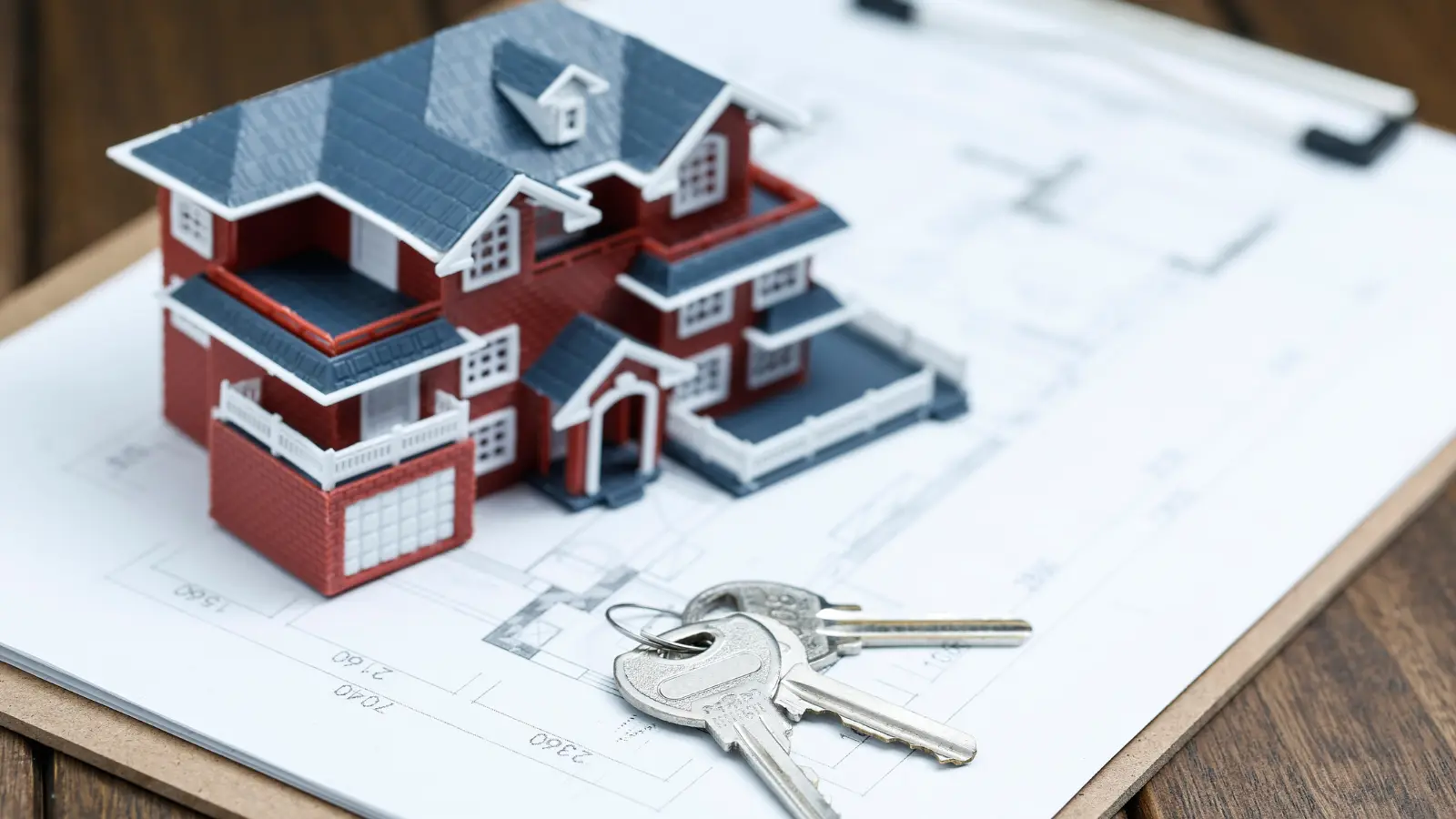
Lodha's after-sales service and property management quality — handover, society formation, ongoing maintenance and the five-star service that protects your.
The relationship with a developer does not end at handover; in many ways it begins there. The Lodha after sales service property management quality a buyer can expect shapes how a home lives, holds its condition, and retains its value over the decades after possession. We have set out what happens at handover, how the community transitions to a managed society, the ongoing support and maintenance involved, and the distinctive service capability Lodha brings. For a long-term home, this stage deserves as much attention as the purchase itself, because it is where day-to-day living actually unfolds.
Why After-Sales Service Matters as Much as the Sale
A home is a decades-long relationship, not a one-off transaction. How well common areas are maintained, how responsive management is to problems, and how smoothly the community is run determine the lived experience long after the excitement of buying fades — and they feed directly into resale value, since buyers pay for well-kept, well-managed developments. A beautiful project that is poorly managed declines; a well-managed one ages gracefully. This is why a developer’s after-sales capability belongs in your assessment before you buy, not as an afterthought once you have moved in.
The Handover Process
Handover is the bridge from construction to living. A sound Lodha society formation and handover process moves from completion and the occupancy certificate through the inspection and acceptance of each home, the settlement of dues, and the formal transfer of possession, into the setting-up of the systems that will run the community. Done well, the process is orderly and clearly communicated, so a buyer knows what to expect at each step. It is worth asking a developer to explain its handover process in advance, since a structured, transparent approach here sets the tone for everything that follows.
Society Formation and Transition
Every community must eventually govern itself. After handover, residents typically form a society or association that takes on the running of the development over time, and a good developer supports that transition rather than leaving residents to manage it unaided. The maintenance corpus collected at possession — a fund held for the upkeep of common areas, refundable in line with the agreed terms — underpins this stage. A developer that manages the transition thoughtfully, with proper documentation and a clear handover of responsibilities, helps a community find its feet and protects the standard of the development through the change.
Ongoing Maintenance and Support
Day-to-day upkeep is where service is felt. Reliable post possession maintenance support Lodha residents look for covers the running of common areas, gardens, and amenities, the maintenance of building systems and security, and a responsive channel for resident concerns. The quality of this ongoing support is what keeps a development looking and functioning as it did at handover, year after year. For a buyer, it is worth understanding how maintenance is organised and funded, since consistent, well-resourced upkeep is the difference between a community that retains its character and one that slowly frays.
The Five-Star Hospitality Advantage
This is where Lodha’s distinctive capability shows. As the only Indian developer to run in-house five-star hospitality, through Lodha Signature Services, Lodha brings a hotel-grade service standard into the management of its residential communities. That means an approach to upkeep, staffing, and resident services drawn from luxury hospitality rather than basic facilities management. For residents, it can translate into a noticeably higher standard of daily living and care for the common environment — a tangible benefit that continues to earn its value for as long as you live in the home.
Long-Term Property Management
The horizon that matters is the long one. Sustained long term property management Lodha apartments benefit from is what preserves both the experience and the value of a home over many years — keeping the development well-maintained, well-secured, and well-run as it matures. Strong long-term management supports resale and rental appeal too, because prospective buyers and tenants can see and feel the difference a well-managed community makes. For an owner, this is the quiet, continuing return on choosing a developer that treats management as part of its product rather than someone else’s problem.
Questions to Ask About Life After Handover
The smart time to ask about service is before you buy, not after. To gauge the Lodha after sales service property management quality you can expect, ask the developer how handover is structured, how and when the resident society is formed, how maintenance is organised and funded, and what the maintenance corpus covers and on what terms it is held. Ask, too, how common areas, security, and amenities are run day to day, and how residents raise and resolve concerns. The answers reveal whether management is treated as part of the product or as an afterthought. Visiting a completed, occupied development and speaking to its residents is the surest test, because it shows the service standard in practice rather than in promise. A developer that runs its own hospitality, as Lodha does, should be able to answer these questions confidently and in detail.
What This Means for Your Investment
In the round, after-sales service protects everything the purchase set out to achieve. A well-handled handover, a supported society transition, dependable maintenance, a high service standard, and committed long-term management together preserve daily comfort and underpin value over time. For a Sadahalli buyer, the developer’s after-sales capability is part of what makes the home a sound long-term decision rather than only an attractive one at purchase. Our township living piece looks at the community side, our track record at the wider record, and our advisory team can explain how management works at the project.
Related reading: How Airport Terminal 2 Lifts Sadahalli and Devanahalli.
FAQs
Why does after-sales service matter when buying a home? Because a home is a decades-long relationship — maintenance, responsiveness, and community management shape daily living long after purchase and feed directly into resale value.
What happens at handover? Handover moves from completion and the occupancy certificate through inspection and acceptance of the home, settlement of dues, and transfer of possession, into setting up the systems that run the community.
How does society formation work? Residents typically form a society that takes on running the development over time, supported by the developer and underpinned by the maintenance corpus collected at possession.
What is Lodha Signature Services? Lodha’s in-house five-star hospitality capability — uncommon among Indian developers — which brings a hotel-grade standard to the management of its residential communities.
What does the maintenance corpus cover? It is a fund held for the upkeep of common areas, refundable in line with the agreed terms, that underpins the community’s maintenance after handover.
How does property management affect value? Strong long-term management keeps a development well-maintained and well-run, which preserves daily comfort and supports resale and rental appeal over the years.
Continue Reading
For the community experience, read our township living piece, and for the developer’s record, our track record guide. On trusting commitments before handover, see can you trust pre-launch promises.
For pricing and details, see the Price page. To understand management at the project, contact our advisory team.
Related Articles

Lodha Sadahalli Reviews: How to Judge a Pre-Launch Project
Lodha Sadahalli reviews and expert opinions in 2026 — what you can assess at the pre-launch stage, how to read early feedback, and how to form an honest view.

Lodha Sadahalli Launch and EOI: How Booking Works
The Lodha Sadahalli EOI and launch date for 2026 — where the project is in its cycle, how the EOI works, the booking process, and what to confirm. Read on
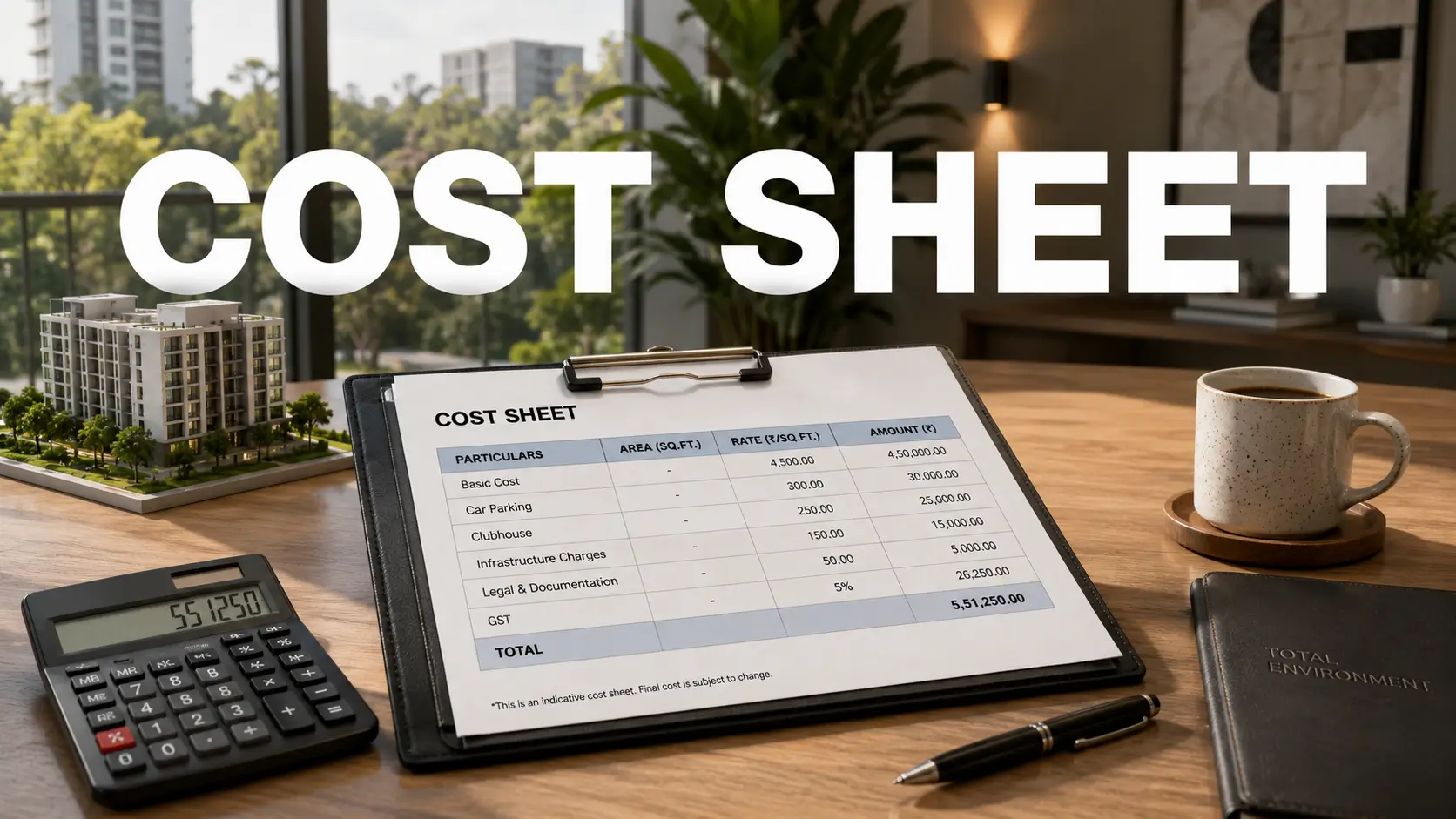
Lodha Sadahalli Cost Sheet: Full Pricing by Configuration
The Lodha Sadahalli cost sheet for 2026 — a detailed breakdown of prices by configuration, the per-sft rate, and the charges beyond the base price. Read on
Lodha Sadahalli RERA Status: Where the Approvals Stand
The Lodha Sadahalli RERA approval status and timeline — where registration stands, what it confirms, the planning position, and what to check before booking.