Comparing Pre-Launch Projects in North Bangalore: A Checklist

How to compare pre-launch projects in North Bangalore — a buyer's checklist covering developer, approvals, location, price, product and terms. Evaluate with.
Comparing pre-launch projects is harder than comparing finished ones, because you are judging promises rather than walls. A clear method for how to compare pre launch projects North Bangalore checklist style turns a confusing shortlist into a fair, like-for-like decision. We have set out the criteria that matter, in the order they matter, so you can score any project against the same yardstick. For the pricing logic behind early entry, our pre-launch pricing advantage piece is a useful companion.
Why a Checklist Beats a Gut Feel
Marketing is designed to impress, and a checklist is how you see past it. The pre launch apartment evaluation criteria Bangalore buyers should apply exist precisely to compare projects on substance — the things that determine value and delivery — rather than on the polish of a brochure or the charm of a sales lounge. Scoring each project against the same set of questions also removes the recency bias of judging whichever one you saw last most favourably. The discipline is the point.
The Developer and the Approvals
Start where the risk is greatest. The single most important factor in a pre-launch is the developer’s track record — their history of delivering on time, to the promised quality, across past projects — because at this stage you are buying their word. Alongside it, check the approvals: RERA registration once issued, planning sanction, land title, and the encumbrance certificate. These are the first items on any list of what to check before booking pre launch apartment options, and a weakness here outweighs strengths elsewhere. A beautiful project from an unproven developer with unclear approvals is the classic trap.
The Location and the Price
With the foundations checked, weigh place and value. Assess the location on its own merits — connectivity, employment nearby, social infrastructure, and the character of the surroundings — and then test the price against the micro-market rather than the brochure’s claims. Is the per-sft rate fair for the area and the product? How does it compare with peers in the same pocket? Our Sadahalli versus Devanahalli piece shows how to read location at the pocket level, where the real differences sit.
The Product Itself
Then judge what you are actually buying. Look at the configuration sizes and efficiency, the density and open-space ratio, the specification grade, the amenities, and the design pedigree behind it all. A larger, lower-density estate with a strong design team offers something a tight, high-density scheme cannot, and those differences show up in both daily life and resale. This is where comparing luxury projects Sadahalli area buyers shortlist becomes concrete — two projects at a similar price can offer very different products once you look past the headline.
The Commercial Terms
The fine print decides what you actually pay and carry. Compare the payment plan and its milestones, the booking amount, the full set of charges beyond the base price — floor rise, preferred-location charges, club membership, maintenance corpus, and statutory dues — and the developer’s stance on cancellation and changes. Two projects with the same headline price can differ materially once these are added in. Reading the terms with the same care as the price is what keeps the comparison honest.
Common Mistakes Buyers Make
Knowing the checklist is half the battle; avoiding the usual traps is the other half. The most frequent error is letting the brochure and the sales lounge do the deciding — a polished render and a charming presentation say little about delivery, yet they sway buyers more than they should, which is exactly why a clear method for how to compare pre launch projects North Bangalore checklist style keeps the focus on substance instead. A second common slip is skating over the approvals and the title, the very items that carry the most risk at this stage; a beautiful project with unclear paperwork is the classic trap. A third is comparing headline prices without adding the charges beyond them — floor rise, preferred-location charges, club membership, the maintenance corpus, and statutory dues can change the ranking entirely once included. Recency bias is another, since buyers tend to favour whichever project they saw most recently.
A further mistake is treating the developer as interchangeable. Two projects at a similar price from developers with very different delivery records are not the same bet, and the stronger track record deserves real weight even at a slightly higher price. Finally, many buyers rush the agreement, signing without reading how cancellation, changes, and timelines are handled — the fine print that decides what you actually carry. None of these traps is exotic; they are simply easy to fall into when a project is shown at its most appealing. The defence against all of them is the same: a written scorecard, applied to every shortlisted project alike, that weights the developer and the approvals most heavily and adds every cost before comparing.
Putting It Together
A simple scorecard turns all of this into a decision.
Criterion | What to weigh |
|---|---|
Developer record | On-time, on-quality delivery history |
Approvals & title | RERA, planning, title, encumbrance |
Location | Connectivity, employment, surroundings |
Price | Per-sft rate vs the micro-market |
Product | Size, density, specification, design |
Terms | Payment plan, charges, flexibility |
Score each shortlisted project across these, weight the developer and approvals most heavily, and the strongest option tends to separate itself. To see how one project reads against the field, our what sets Lodha Sadahalli apart piece works through it, and our advisory team can run the comparison with you.
Related reading: What a High Open-Space Ratio Means for Your Daily Life.
FAQs
What is the most important factor in a pre-launch project? The developer’s track record of delivering on time and to quality, since at the pre-launch stage you are buying their word, closely followed by the approvals and title.
What should I check before booking? RERA registration once issued, planning sanction, land title, the encumbrance certificate, the developer’s record, the location, the price against the micro-market, the product, and the commercial terms.
How do I compare prices fairly? Test the per-sft rate against the micro-market and peer projects in the same pocket, and add in all charges beyond the base price so the comparison is like-for-like.
What product factors matter most? Configuration sizes and efficiency, density and open-space ratio, specification grade, amenities, and design pedigree, all of which affect daily life and resale.
Why read the commercial terms so closely? Because two projects with the same headline price can differ materially once floor rise, PLC, club membership, maintenance corpus, and statutory dues are added.
How should I weight the criteria? Weight the developer record and approvals most heavily, since they carry the greatest risk, then location, price, product, and terms.
Continue Reading
For why early entry is priced low, read our pre-launch pricing advantage piece, and to see one project measured against the field, our what sets Lodha Sadahalli apart. For location at the pocket level, our Sadahalli versus Devanahalli comparison helps.
For the full project picture, visit the home page. To run the checklist together, contact our advisory team.
Related Articles

Lodha Sadahalli Reviews: How to Judge a Pre-Launch Project
Lodha Sadahalli reviews and expert opinions in 2026 — what you can assess at the pre-launch stage, how to read early feedback, and how to form an honest view.

Lodha Sadahalli Launch and EOI: How Booking Works
The Lodha Sadahalli EOI and launch date for 2026 — where the project is in its cycle, how the EOI works, the booking process, and what to confirm. Read on
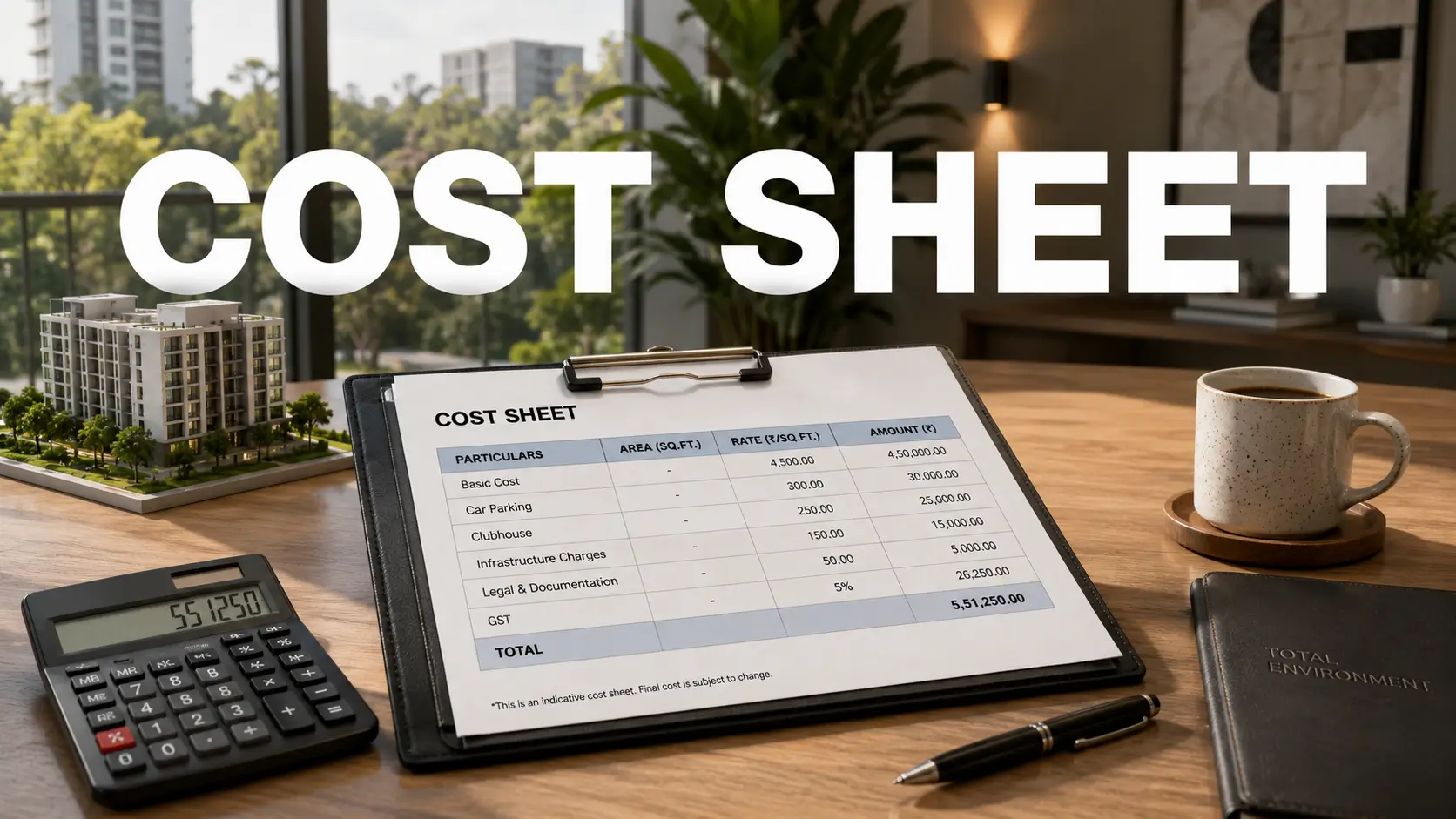
Lodha Sadahalli Cost Sheet: Full Pricing by Configuration
The Lodha Sadahalli cost sheet for 2026 — a detailed breakdown of prices by configuration, the per-sft rate, and the charges beyond the base price. Read on

Lodha Sadahalli RERA Status: Where the Approvals Stand
The Lodha Sadahalli RERA approval status and timeline — where registration stands, what it confirms, the planning position, and what to check before booking.