Can You Trust a Pre-Launch Promise? Reading a Builder’s History

Can you trust pre-launch promises? How a builder's delivery history answers the question, how to mitigate pre-launch risk, and a reliability checklist. Read on
It is a fair question to ask before committing money to a home that does not yet exist. Whether you can you trust pre launch promises Lodha delivery history or any builder’s record can answer comes down to evidence, not reassurance — and a developer’s past is the strongest evidence available. We have set out why history predicts delivery, how to mitigate the real risks of buying early, a practical reliability checklist, and where this particular project stands today. The aim is a clear-eyed view rather than a sales pitch, because scepticism, properly applied, protects you.
The Honest Risk in a Pre-Launch Promise
Begin by naming the risk plainly. A pre-launch purchase is a commitment against future delivery — the home is sold on plans, the possession date firms up only at registration, and your capital is tied up through construction. Promises about specification, timeline, and amenities are made before the building exists, and the buyer’s protection is partly legal and partly a matter of who is making them. Pretending this risk away serves no one; understanding it is the first step to managing it, and a reputable developer will be candid about it too.
Why History Is the Best Predictor
Past behaviour is the most reliable guide to future conduct. The Lodha on time delivery track record India can be examined is exactly the kind of evidence that matters: a developer that has repeatedly completed large projects, honoured its specifications, and handed over on reasonable timelines has demonstrated that its promises tend to hold. No record guarantees a future outcome, but a long, consistent one shifts the odds substantially in a buyer’s favour. This is why a developer’s history, not its marketing, deserves the closest attention when you are weighing a promise about a project still to be built.
What a Listed Developer’s Record Shows
Public accountability adds a verifiable layer. Because Lodha operates as the listed Macrotech Developers Ltd, its scale, finances, and project portfolio are disclosed in audited filings, giving an outsider a clearer view than a private builder allows. A listed developer has more to lose from failing to deliver — reputation, share price, and regulatory standing — which aligns its incentives with completing well. For a buyer assessing whether a promise is credible, the discipline that comes with public listing is a meaningful, checkable form of reassurance.
How to Mitigate Pre-Launch Risk
Risk can be reduced with method. Sound pre launch risk mitigation trusted builder relationships rests on a few habits: verify the developer’s delivery record and financial standing, confirm approvals and title before you commit, read the agreement to sell carefully — especially its clauses on timelines, changes, and cancellation — and prefer developers with a long, consistent history over those offering only an attractive price. None of these removes risk entirely, but together they convert a leap of faith into a calculated decision. The discipline you apply at this stage is your strongest protection.
A Reliability Checklist
A simple framework keeps the assessment honest.
Check | What it tells you |
|---|---|
Delivery history | Whether past projects completed on time, to quality |
Financial standing | Capacity to fund and finish the project |
Approvals & title | Legal soundness of the specific project |
Agreement terms | Your protections on timeline and changes |
Existing residents | Real experience of living in the developer’s work |
Working through a builder reliability assessment pre launch projects deserve, item by item, turns a vague sense of trust into a documented judgement you can stand behind.
Where This Project Stands
Candour about the current status matters. This project is at the pre-launch stage, and its RERA registration is pending, expected to be available at launch — so a buyer should verify the registration on the Karnataka RERA portal once it is issued, and treat the formal launch and agreement as the point at which commitments become contractual. The developer’s record provides strong background reassurance, but it does not replace confirming the specific project’s approvals and paperwork at the proper time. Our RERA status piece sets out the position in detail.
Turning Scepticism into a Decision
Healthy scepticism is only useful if it leads somewhere. The honest way to settle whether you can you trust pre launch promises Lodha delivery history supports is to convert your doubts into a checklist and work through it, rather than letting a general unease either stop you or be talked away. Confirm the developer’s record against public information, verify the project’s approvals and title at the proper time, read the agreement’s protections on timeline and changes, and weigh a long, consistent history more heavily than any single reassurance. Where each of these checks out, your scepticism has done its job and a considered decision becomes reasonable; where one does not, you have found exactly the issue worth pausing on. This is the difference between informed trust and blind trust — the first is earned through verification and is a sound basis for a high-value purchase, while the second is simply hope. A credible developer makes the verification straightforward, which is itself a good sign.
A Balanced Verdict
So, can the promise be trusted? The honest answer is that trust should be earned and verified, not assumed — and a long, documented delivery record, the discipline of a listed company, and your own diligence on the specific project together make a strong case, while pending approvals and the normal risks of buying early keep prudence necessary. Weighed this way, a credible developer’s pre-launch promise is a reasonable bet for a buyer who does the work, not a blind one. Our track record and reviews pieces add evidence, and our advisory team can help you verify the rest.
Related reading: Karnataka’s Real Estate Policy in 2026: What Buyers Should Know.
FAQs
Is it safe to buy a pre-launch home? It carries real risk — the home is sold on plans and capital is committed through construction — but the risk can be managed through diligence on the developer, the approvals, and the agreement.
How does a builder’s history help me judge a promise? A long, consistent record of completing projects on time and to quality shows that the developer’s commitments tend to hold, shifting the odds in a buyer’s favour, though it cannot guarantee any single outcome.
Why does Lodha being listed matter here? As Macrotech Developers Ltd, its finances and portfolio are disclosed in audited filings, and it has reputation and regulatory standing to lose from failing to deliver — verifiable reassurance.
How can I reduce pre-launch risk? Verify the developer’s record and financials, confirm approvals and title, read the agreement’s timeline and cancellation clauses, and favour a consistent history over a low price.
What is this project’s current status? It is at pre-launch, with RERA registration pending and expected at launch. Verify the registration on the Karnataka RERA portal once issued, and treat the launch agreement as the contractual point.
Should I trust pre-launch promises? Trust them once verified, not before. A documented delivery record plus your own diligence makes a credible developer’s promise a reasonable, considered bet rather than a blind one.
Continue Reading
For the evidence behind the record, read our track record piece and our Lodha Sadahalli reviews. For the project’s legal position, see our RERA status guide.
When you are ready to verify the details, contact our advisory team. Our awards and certifications piece covers the third-party signals too.
Related Articles

Lodha Sadahalli Reviews: How to Judge a Pre-Launch Project
Lodha Sadahalli reviews and expert opinions in 2026 — what you can assess at the pre-launch stage, how to read early feedback, and how to form an honest view.

Lodha Sadahalli Launch and EOI: How Booking Works
The Lodha Sadahalli EOI and launch date for 2026 — where the project is in its cycle, how the EOI works, the booking process, and what to confirm. Read on
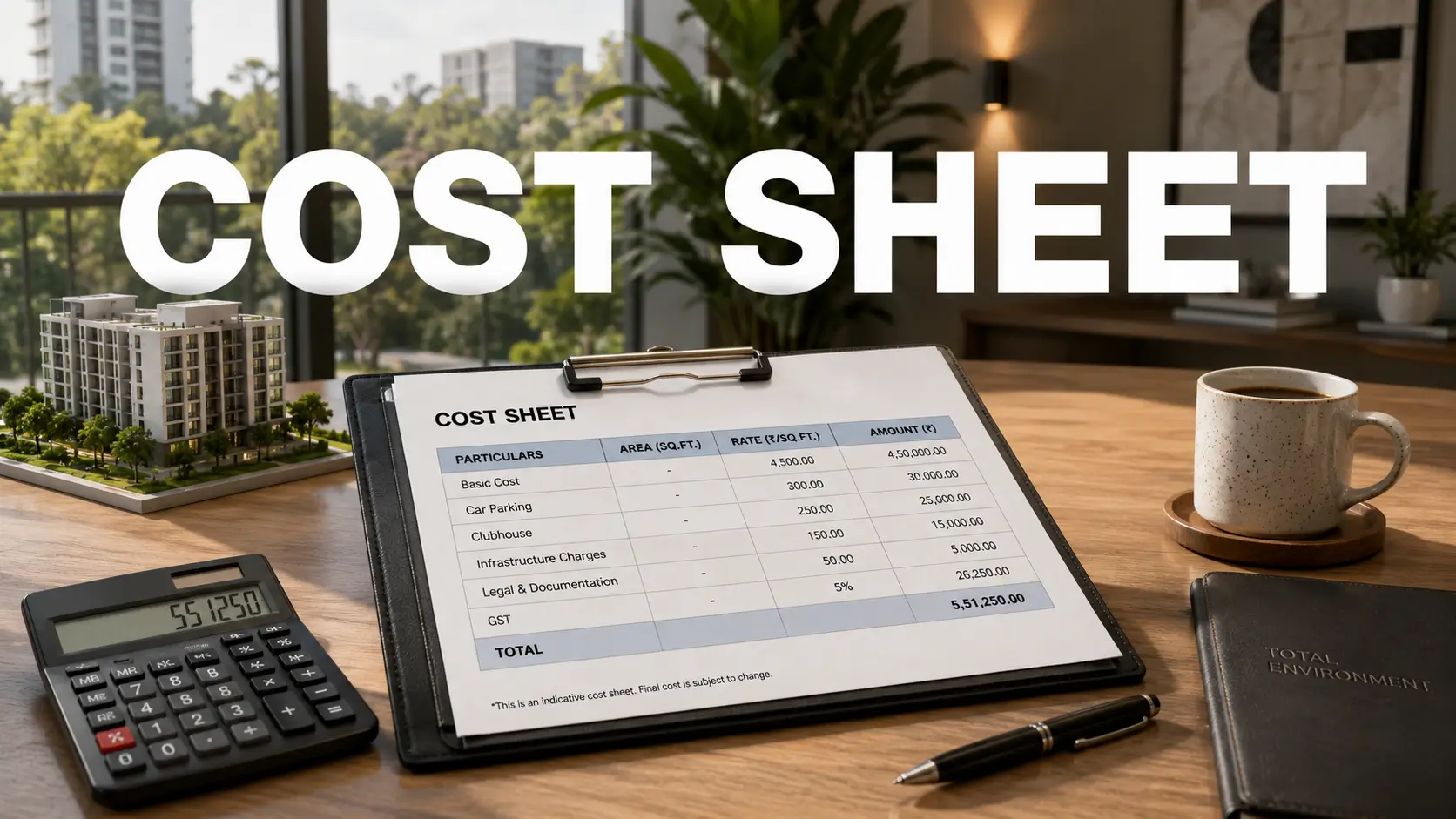
Lodha Sadahalli Cost Sheet: Full Pricing by Configuration
The Lodha Sadahalli cost sheet for 2026 — a detailed breakdown of prices by configuration, the per-sft rate, and the charges beyond the base price. Read on
Lodha Sadahalli RERA Status: Where the Approvals Stand
The Lodha Sadahalli RERA approval status and timeline — where registration stands, what it confirms, the planning position, and what to check before booking.